

the Footprint of time
The conventional ideas and meanings of the term beauty are apprehended within the cultural framework in which we develop.
When observing any element, be it part of nature, a work of art, etc., the idea of what is beautiful conditions aesthetic appreciation.
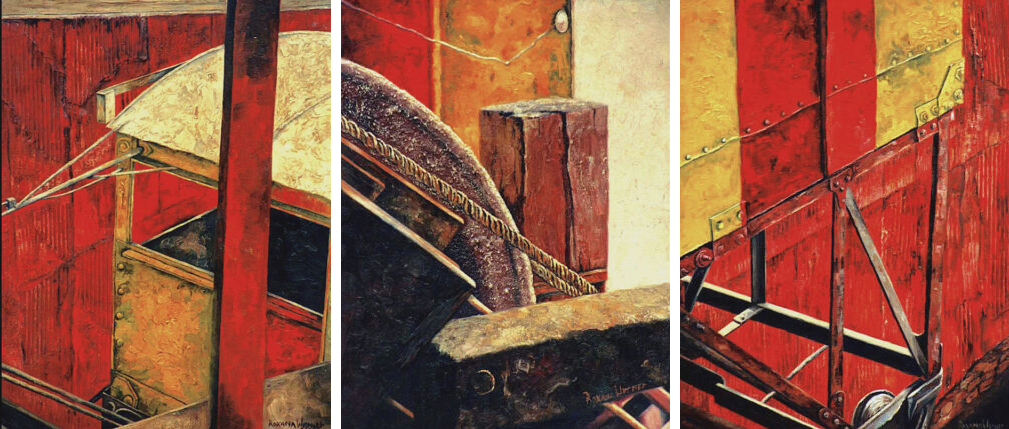
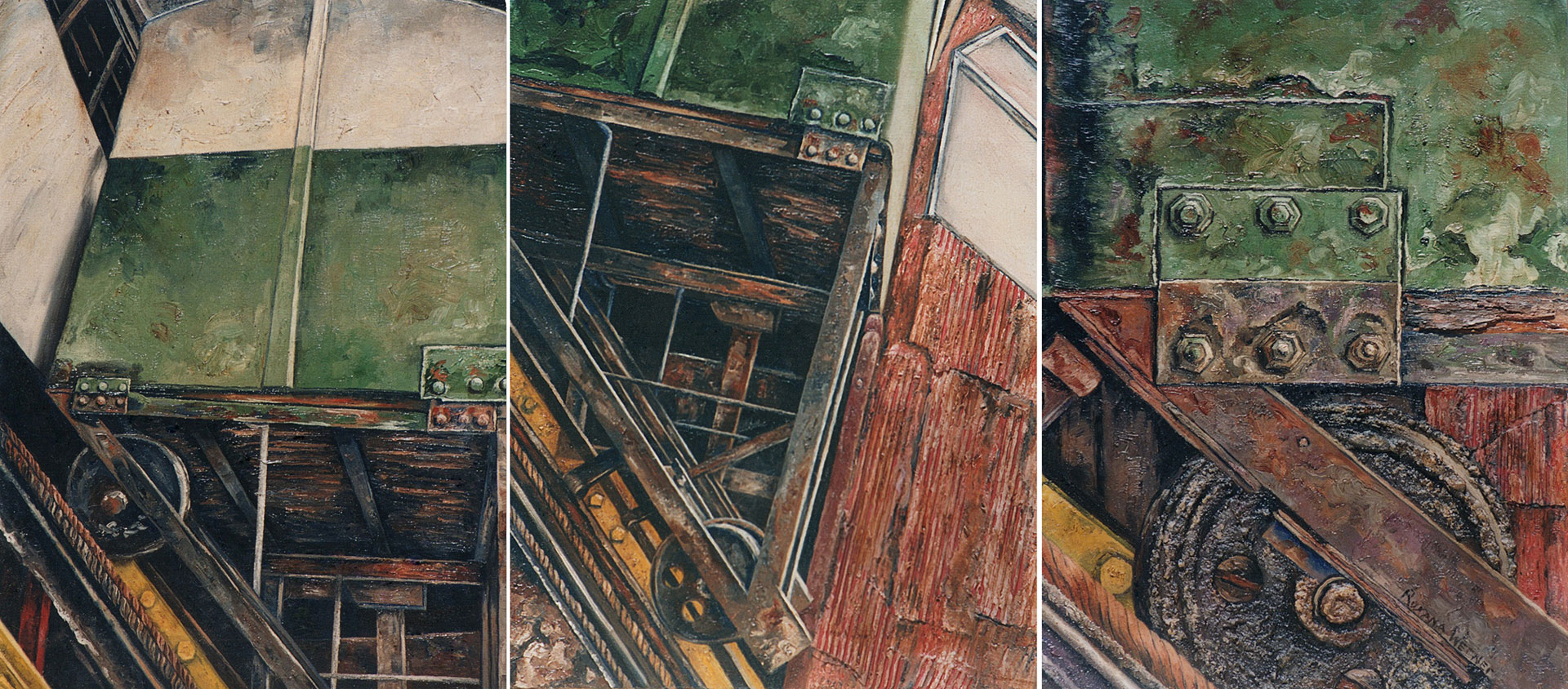
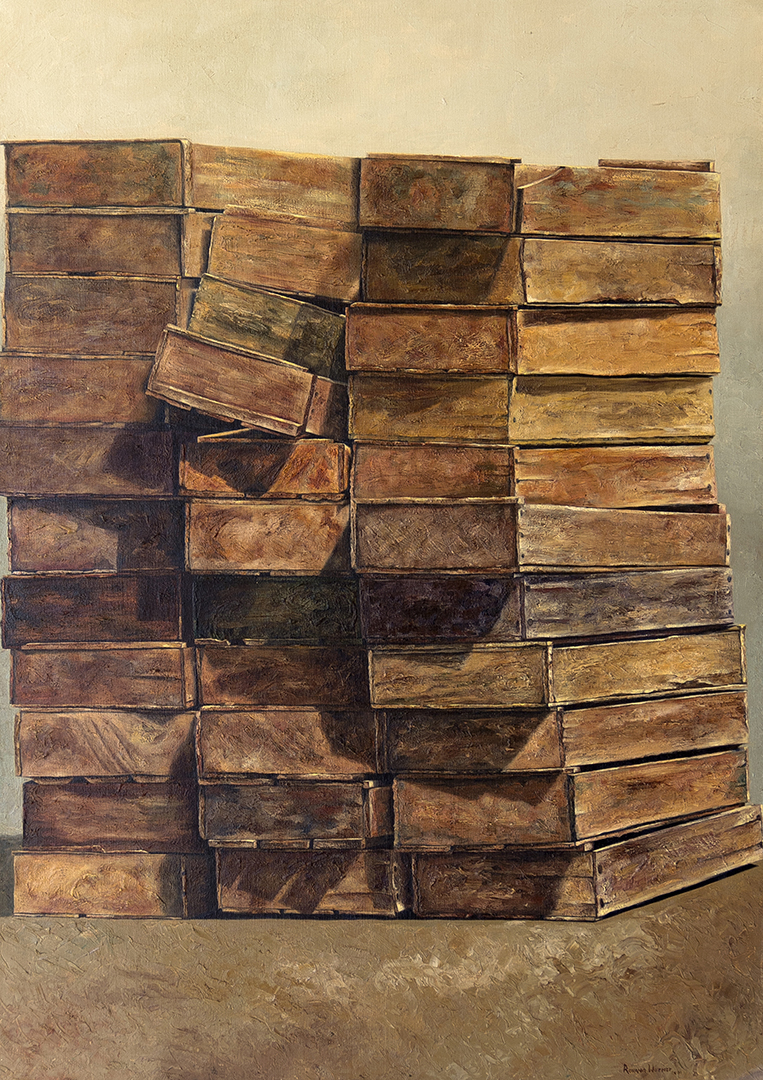
By broadening one’s gaze and exploring in a different perspective, one can come to appreciate the beauty of the imperfect.
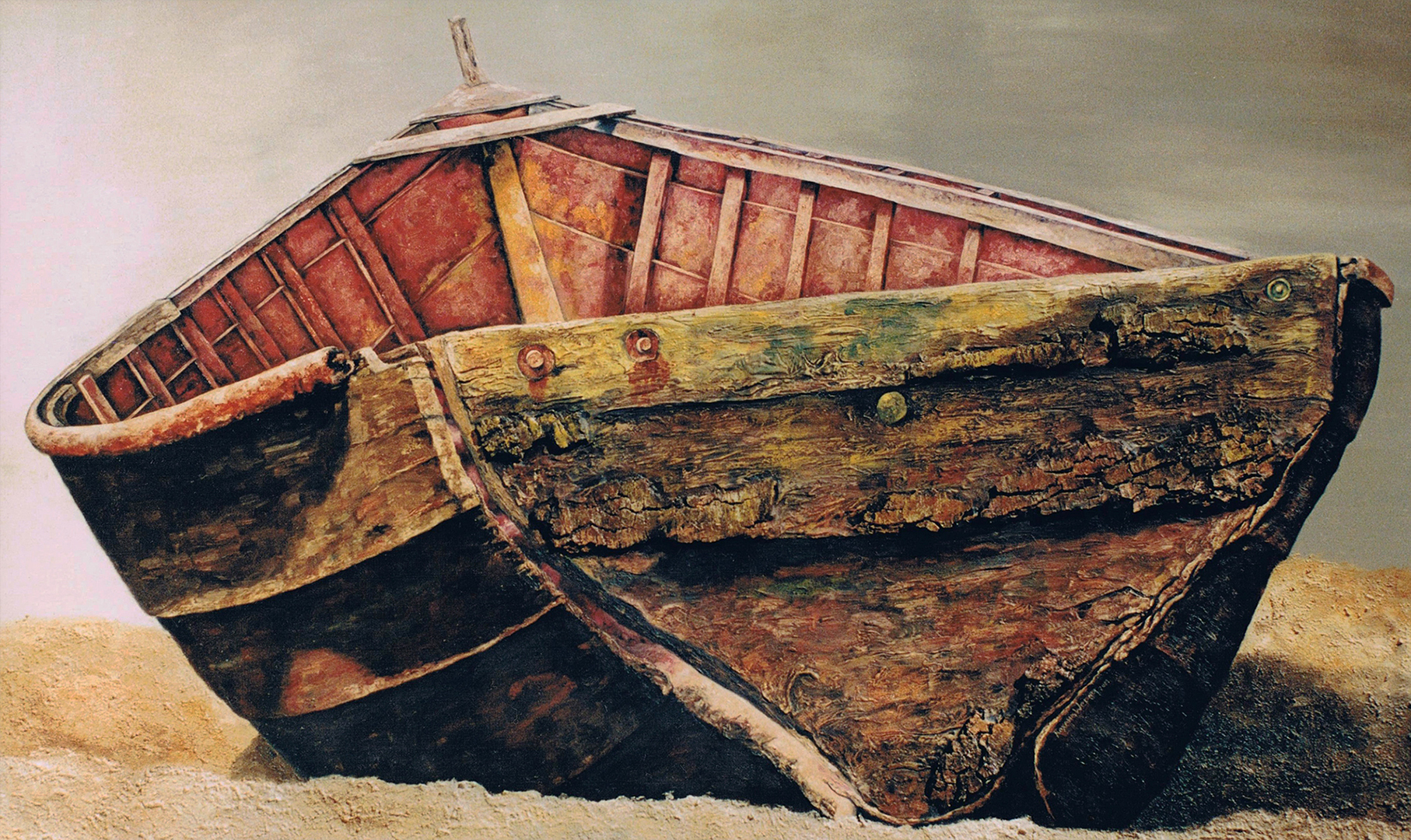
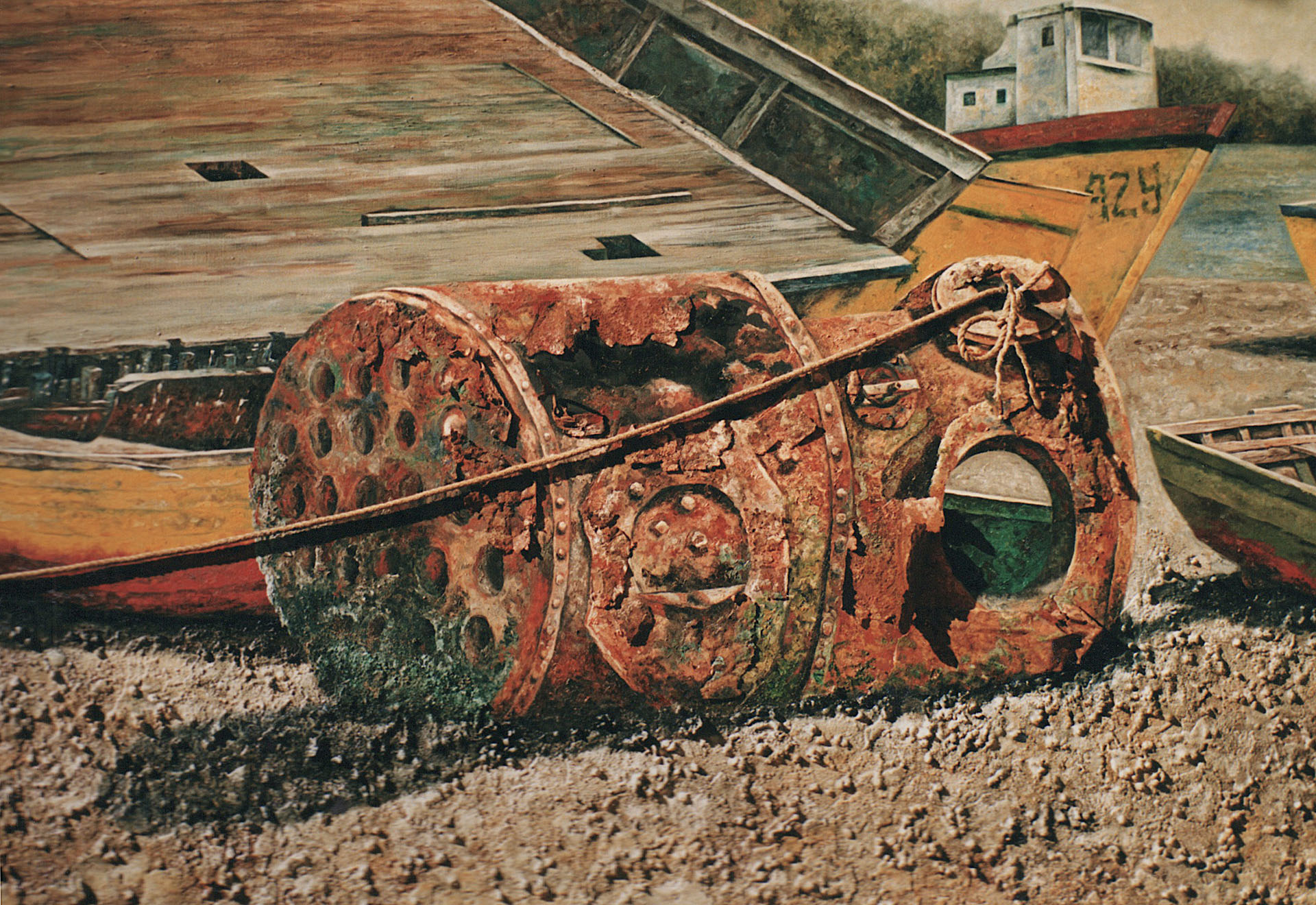
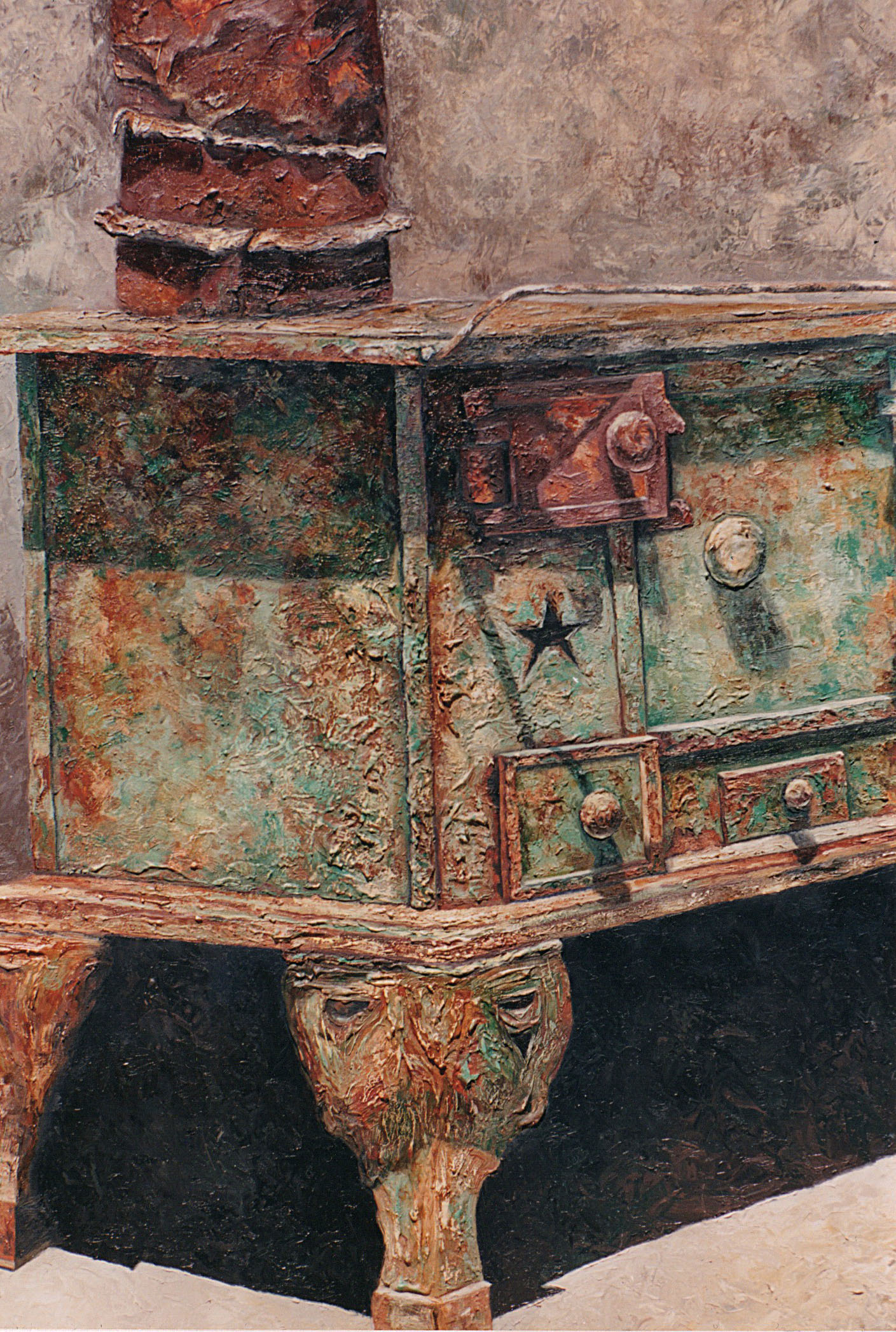
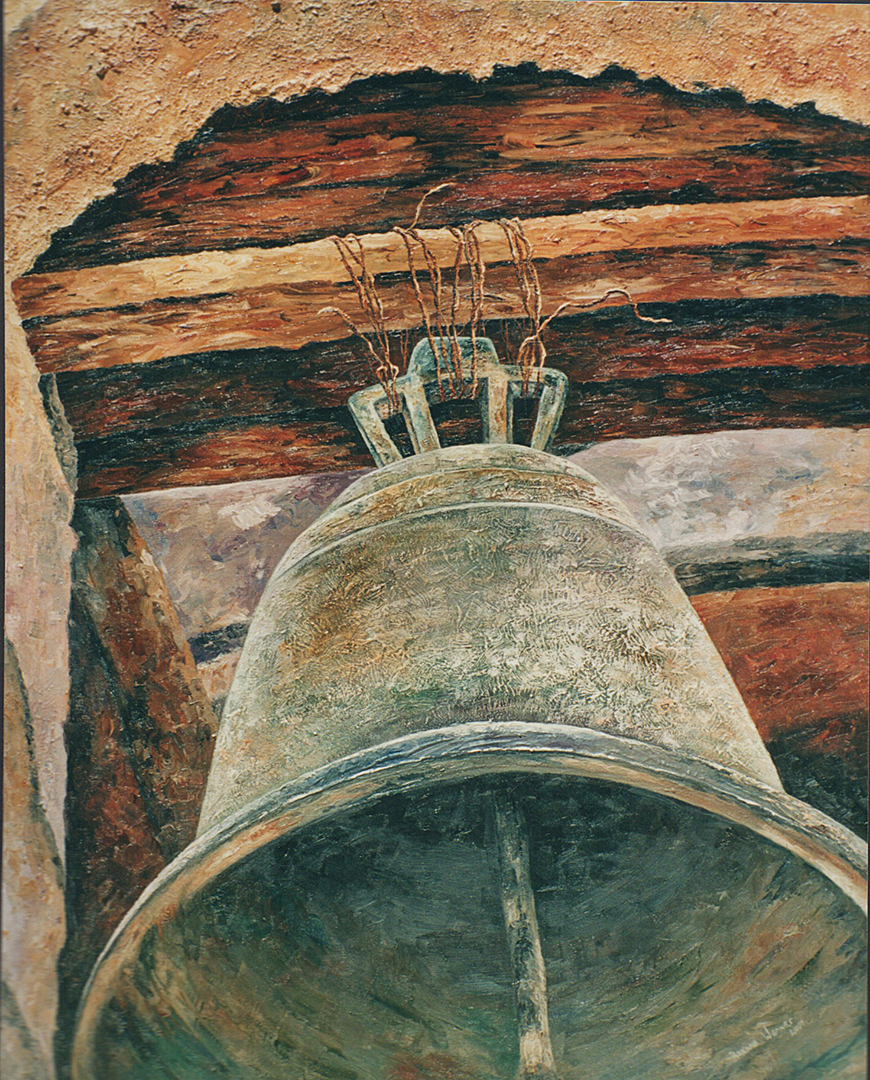
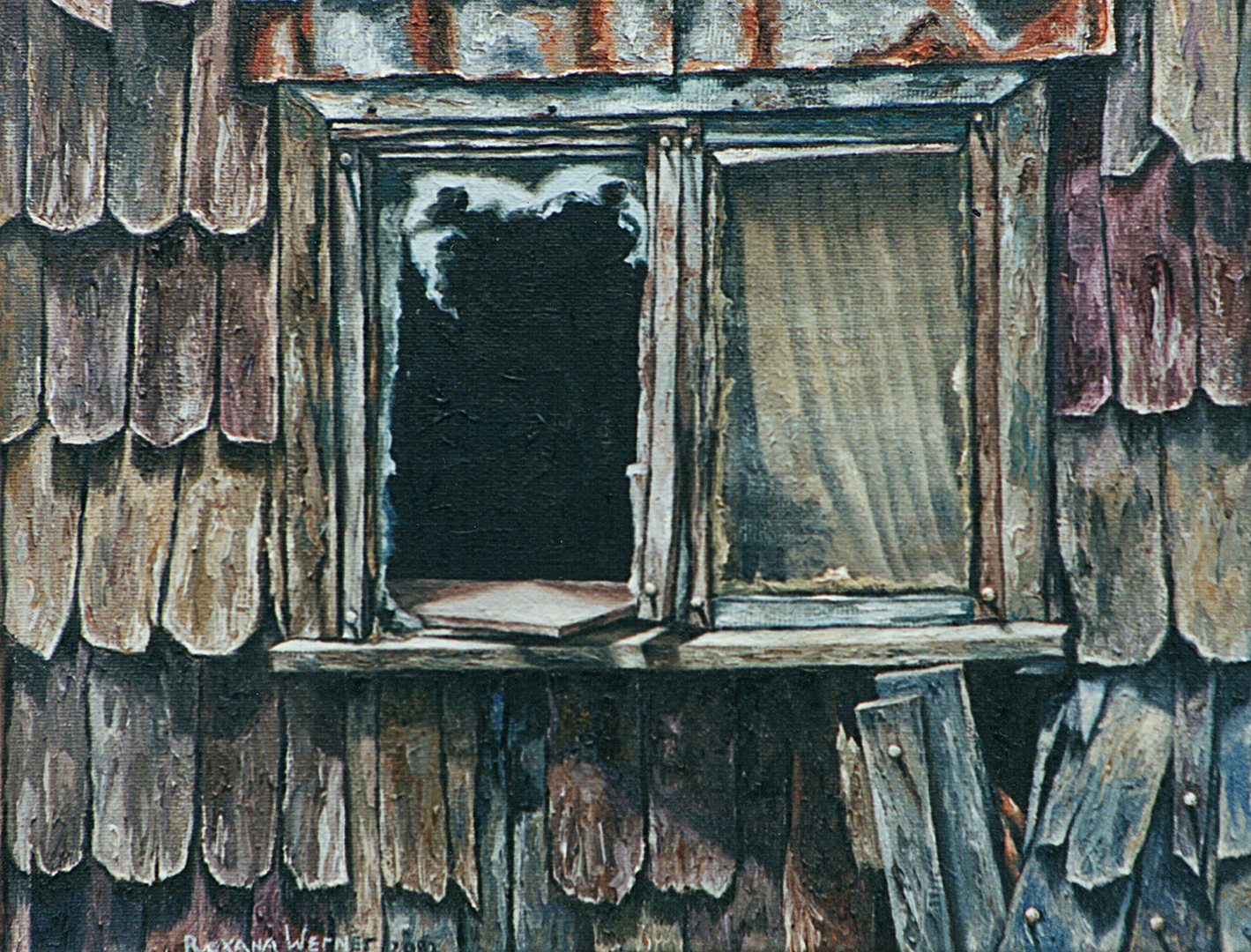
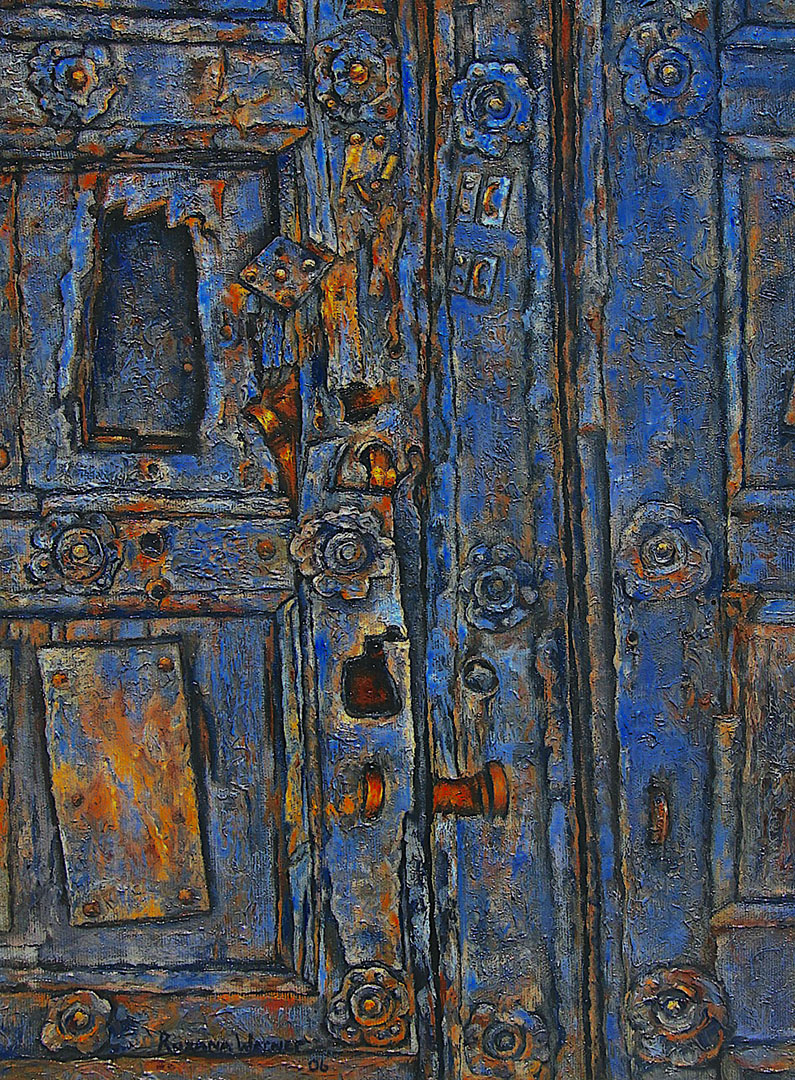
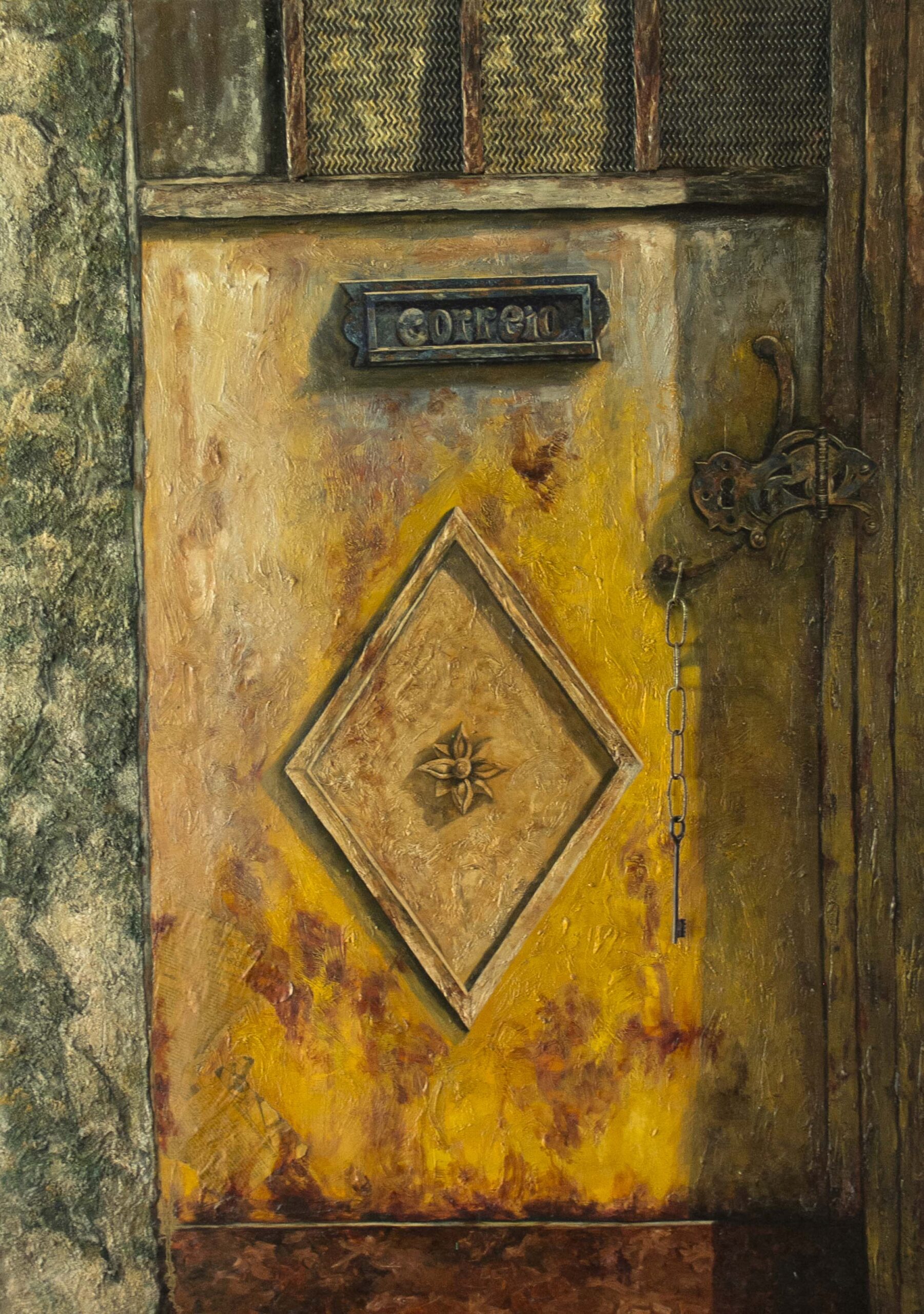
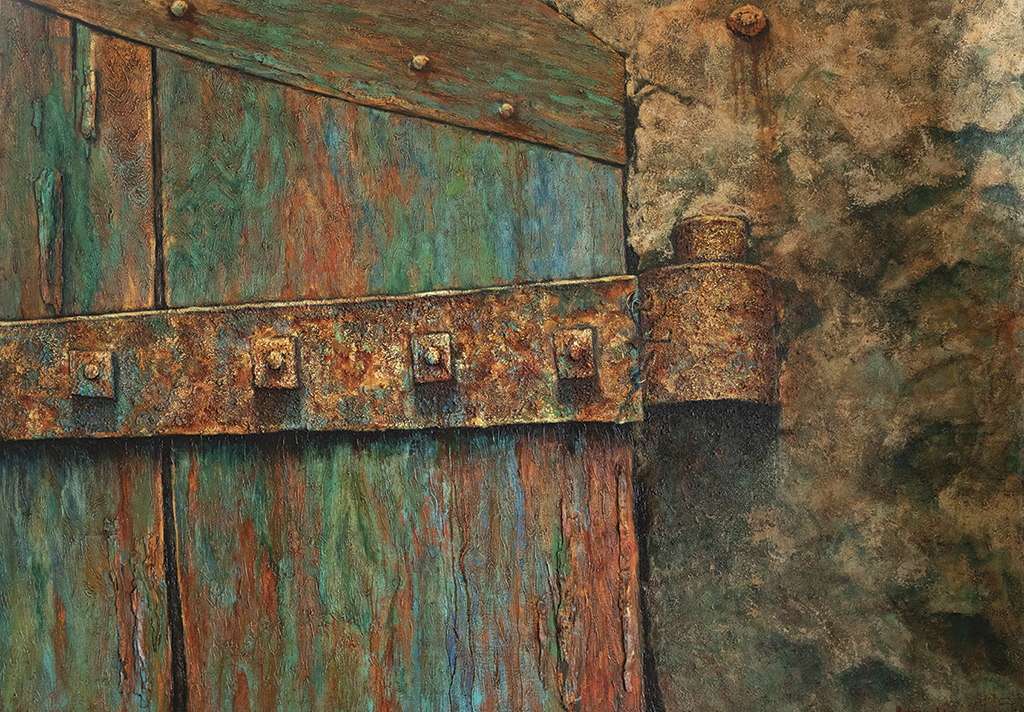
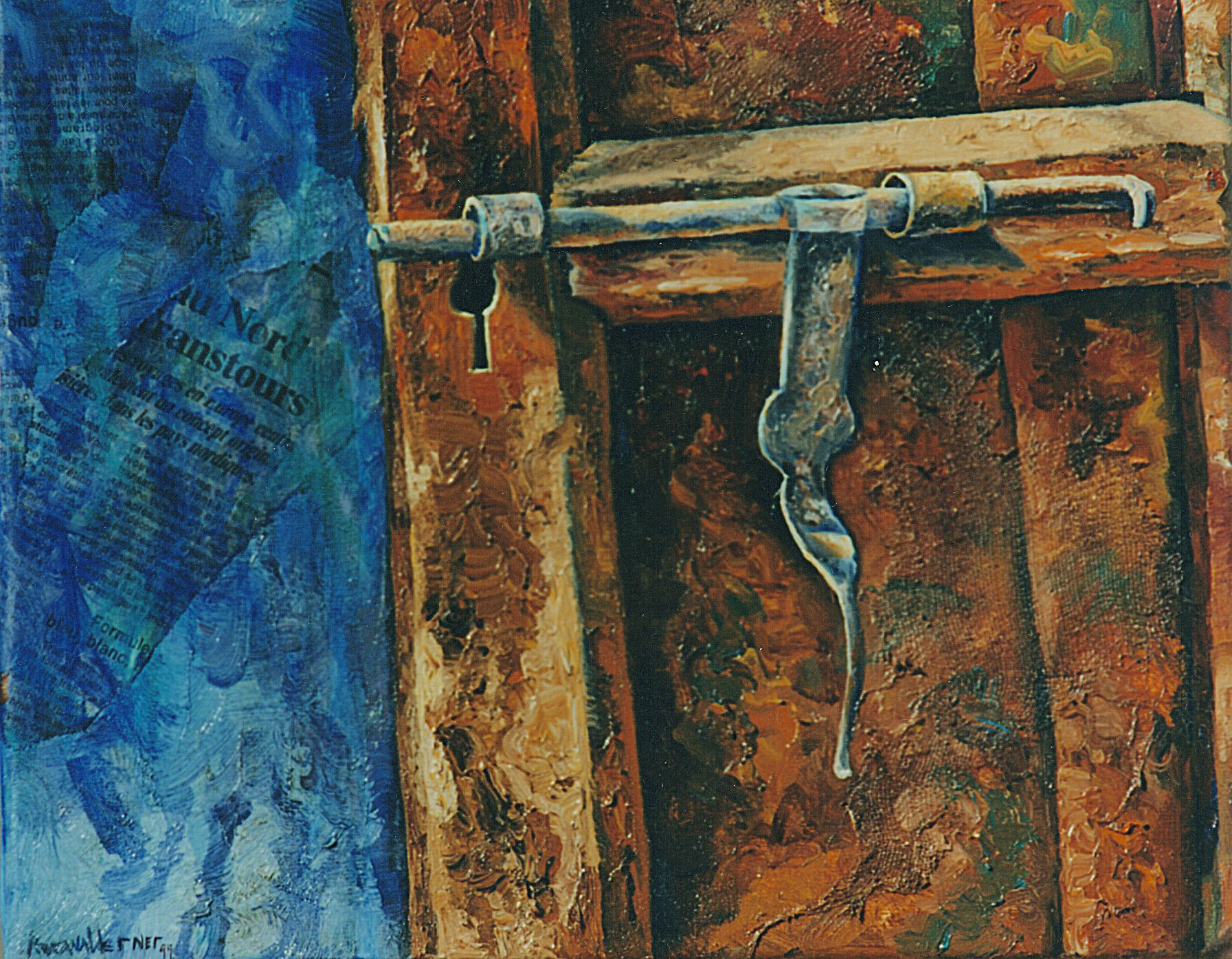
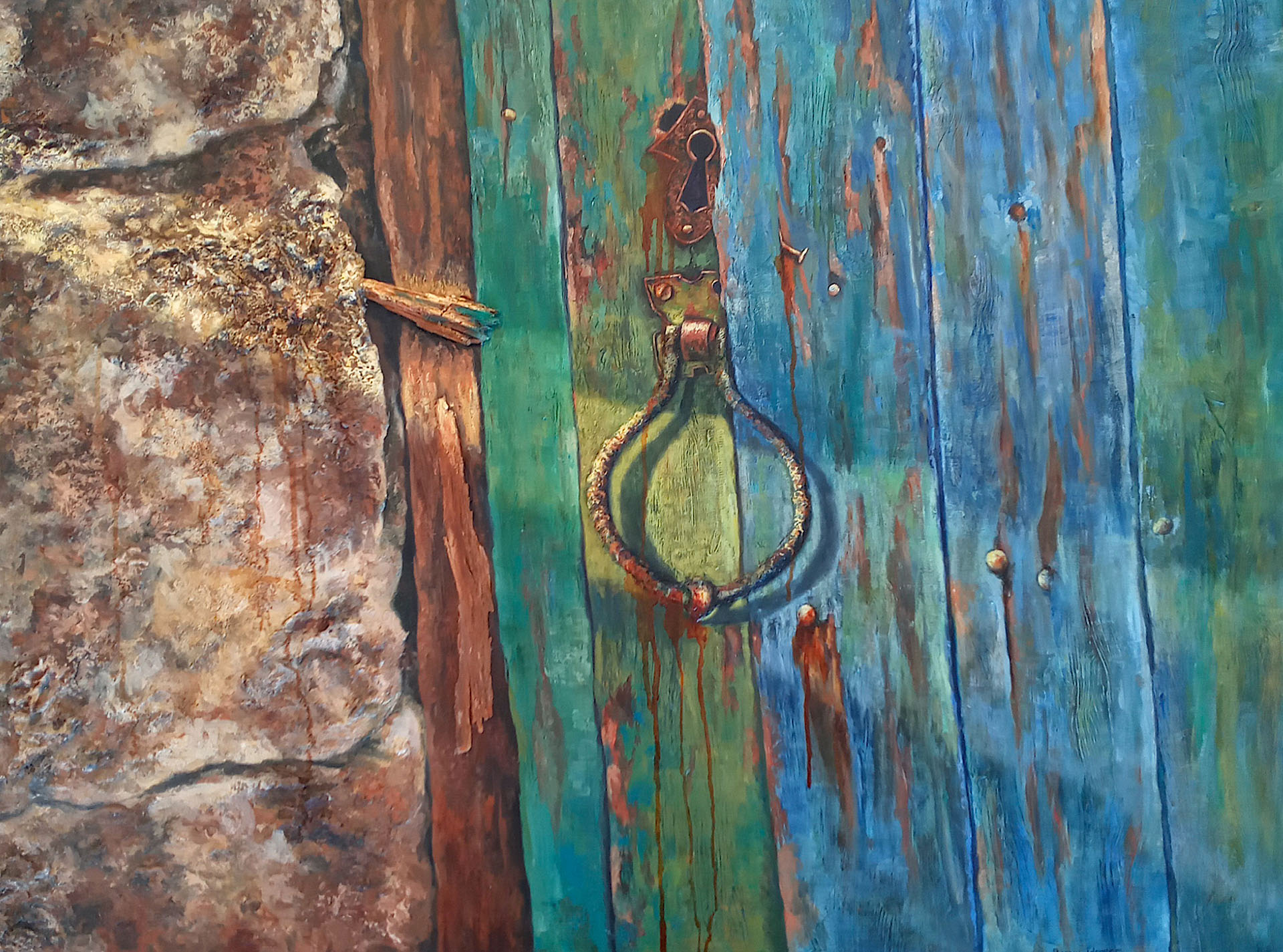
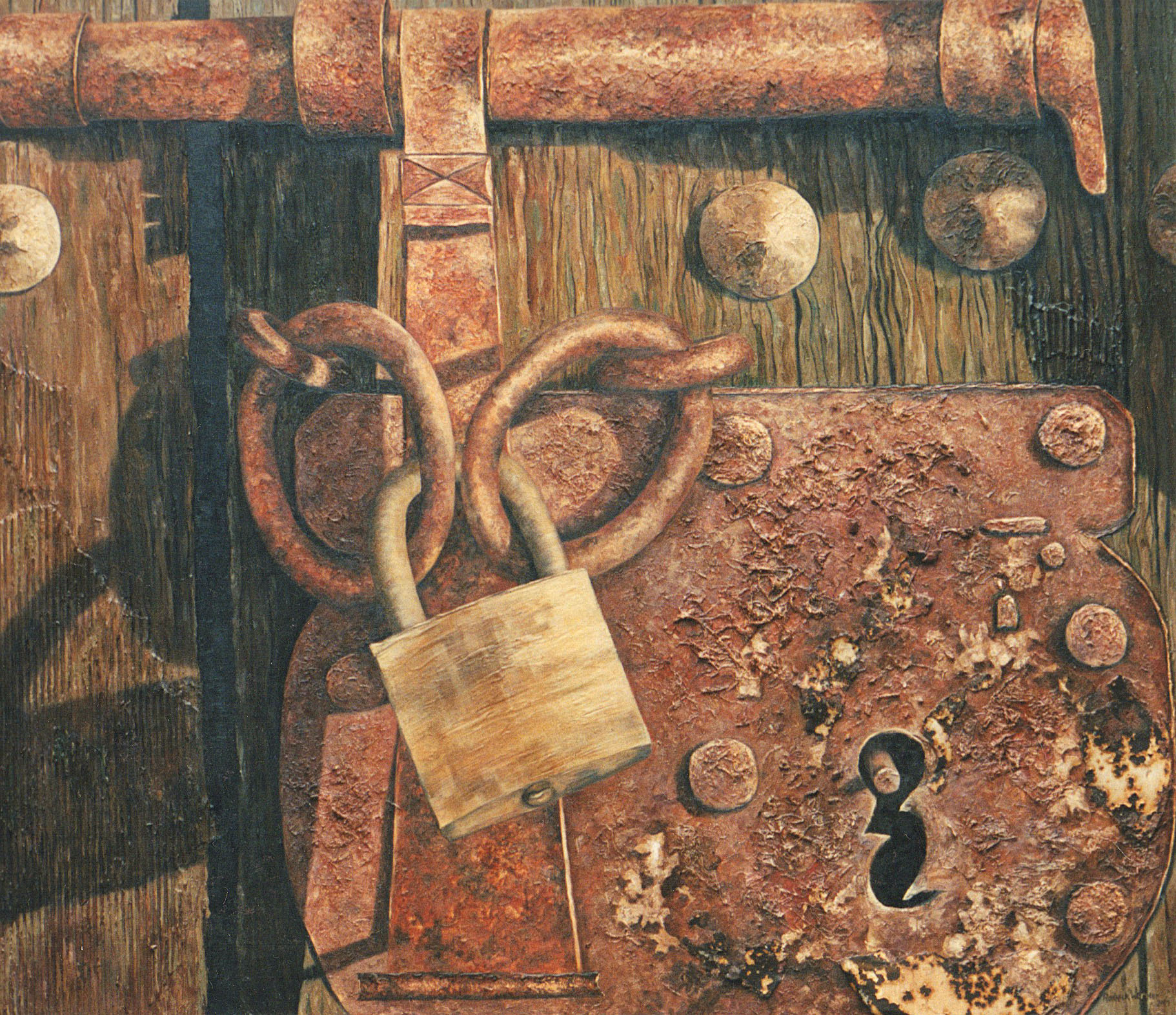
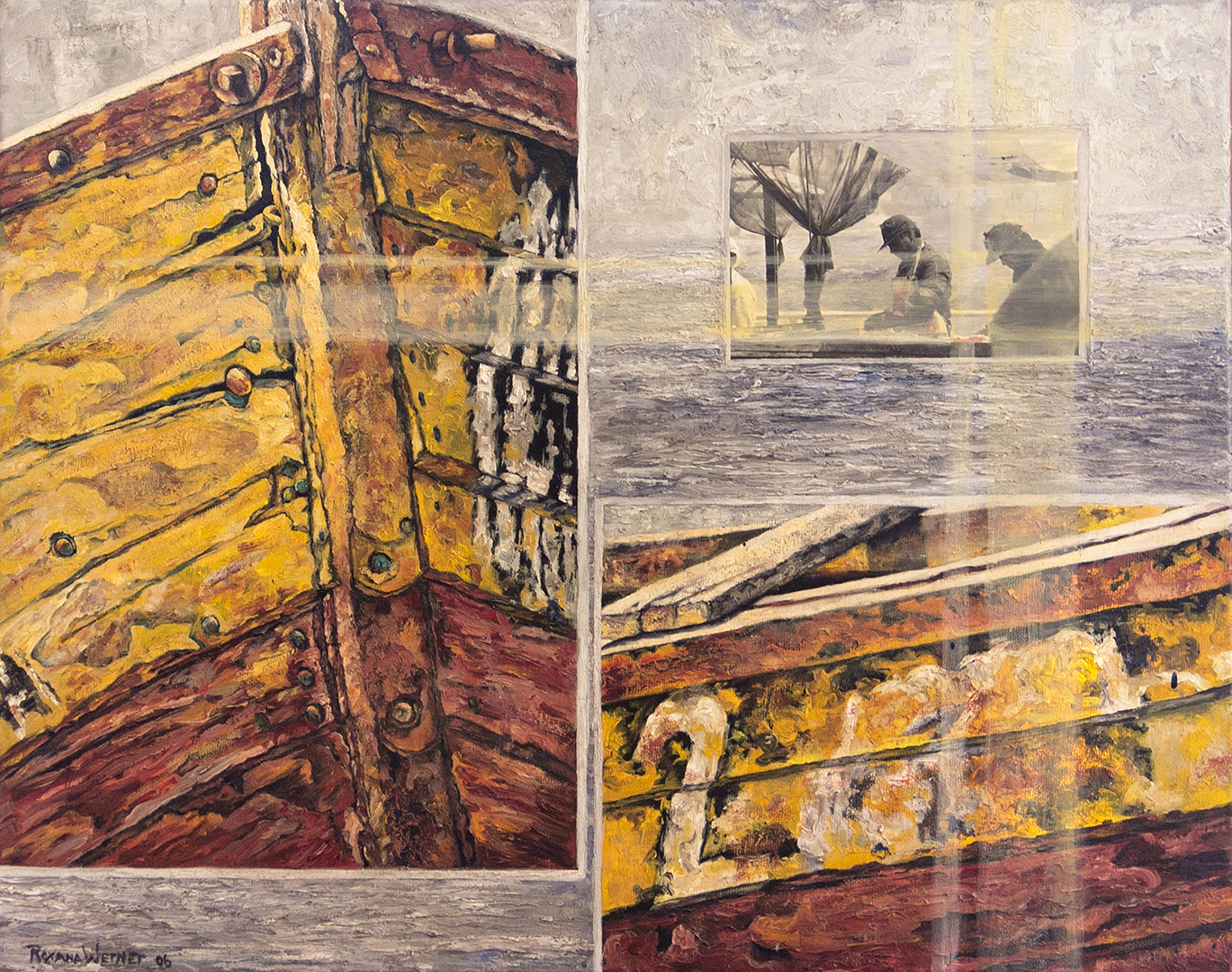
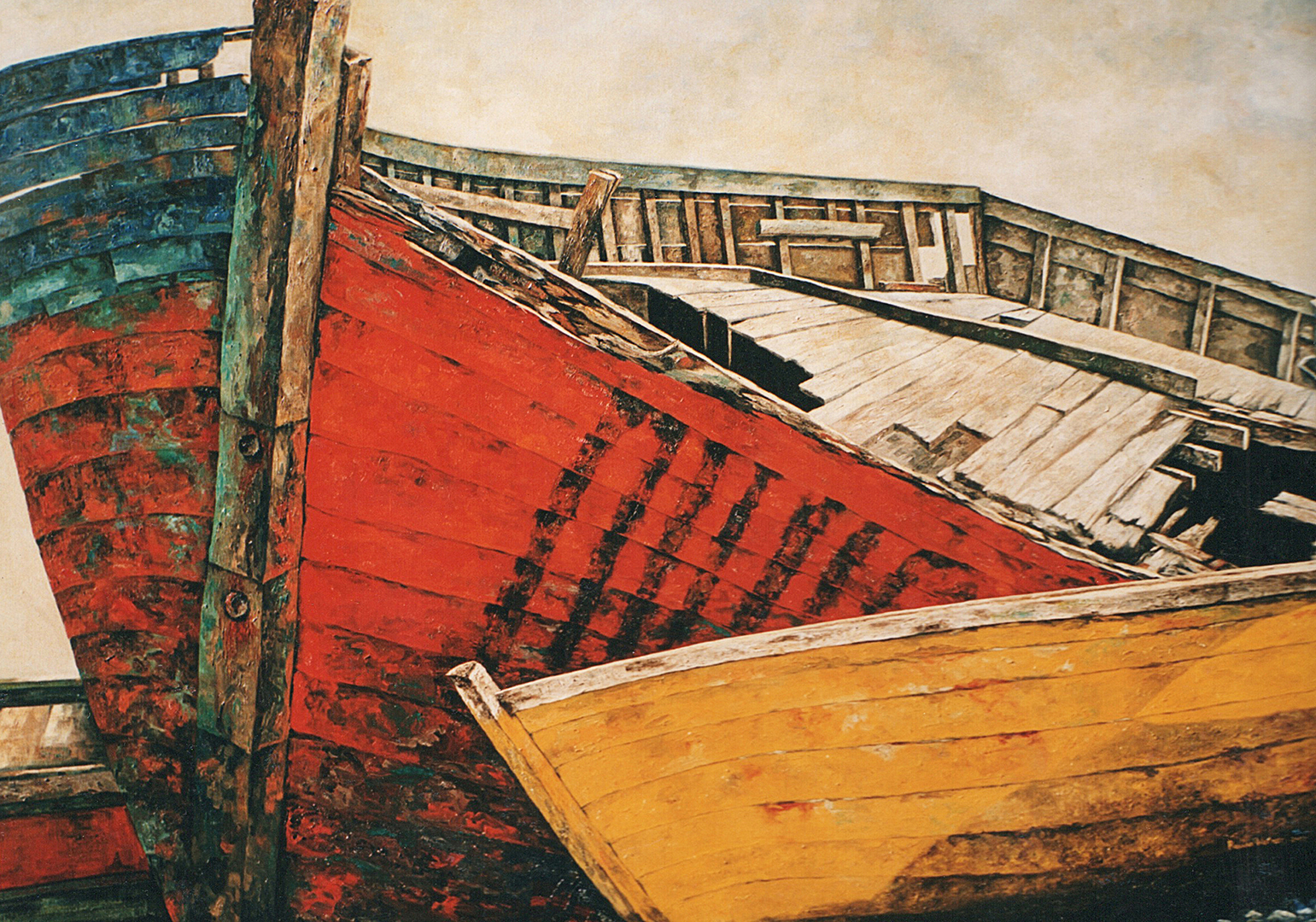
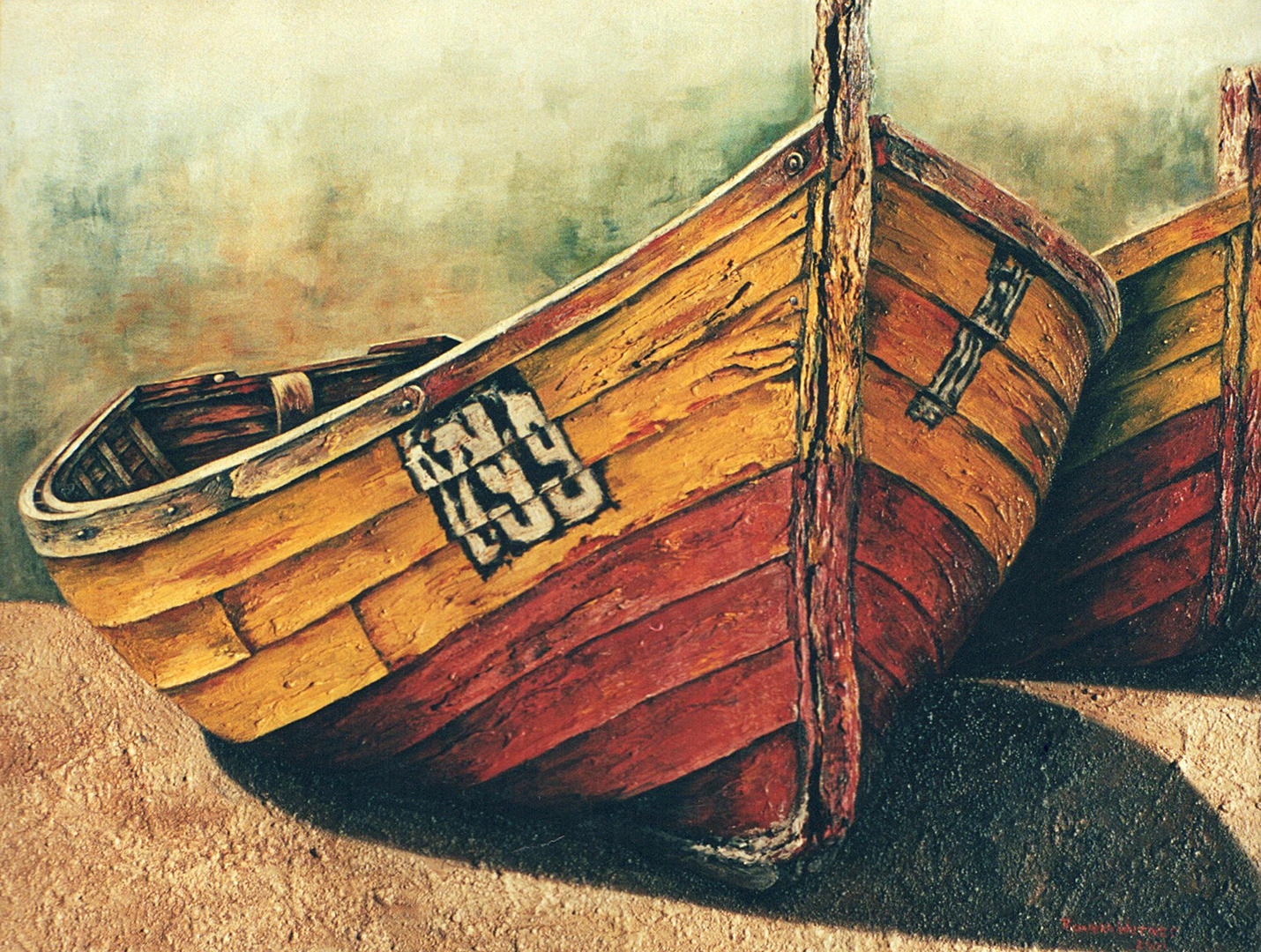
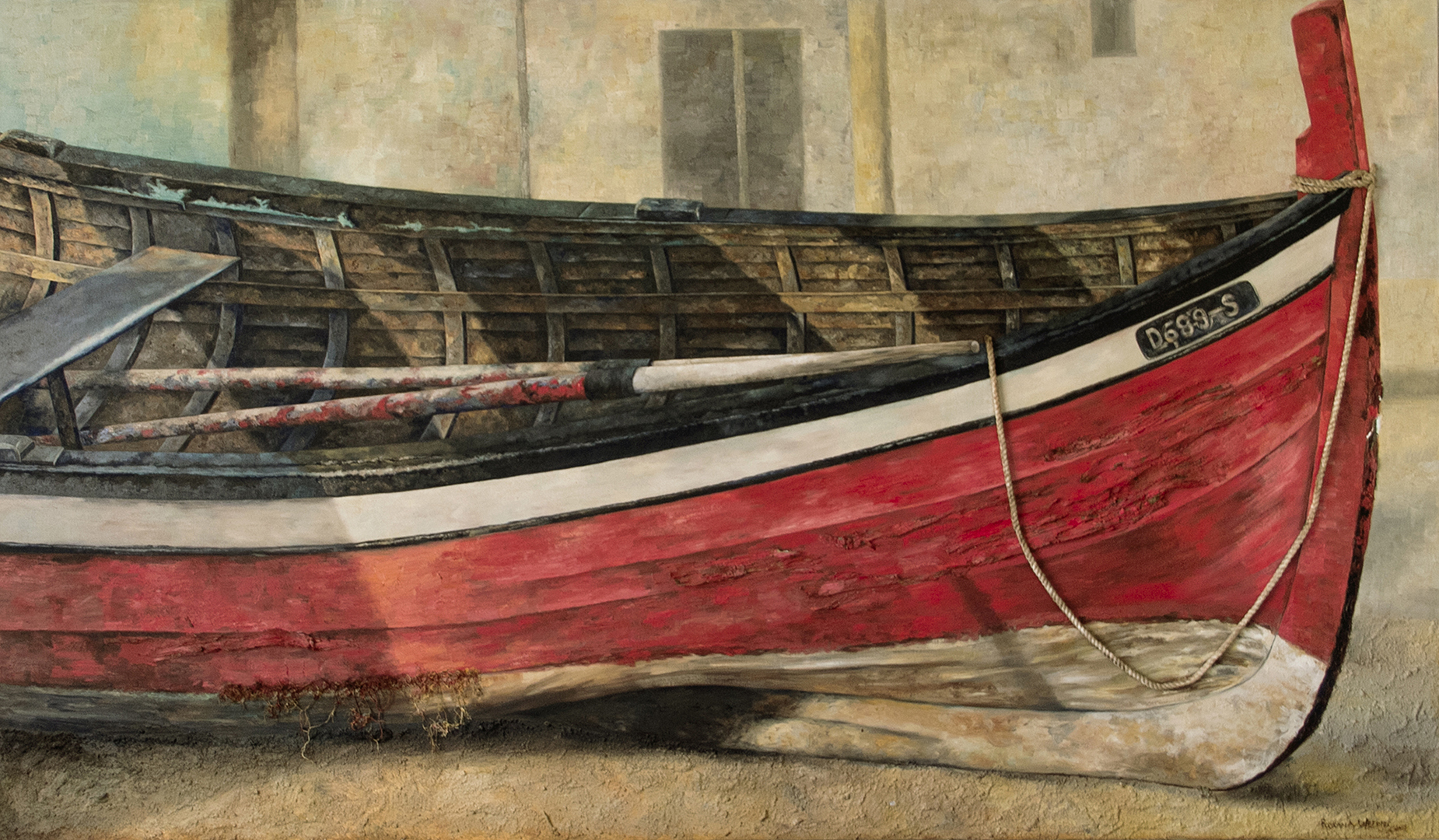
The beauty of the imperfect can be perceived in ordinary objects such as old jars, despised bells, kitchens that once cooked, doors and windows that barely open, boats that no longer fish and are abandoned on a sandy beach.
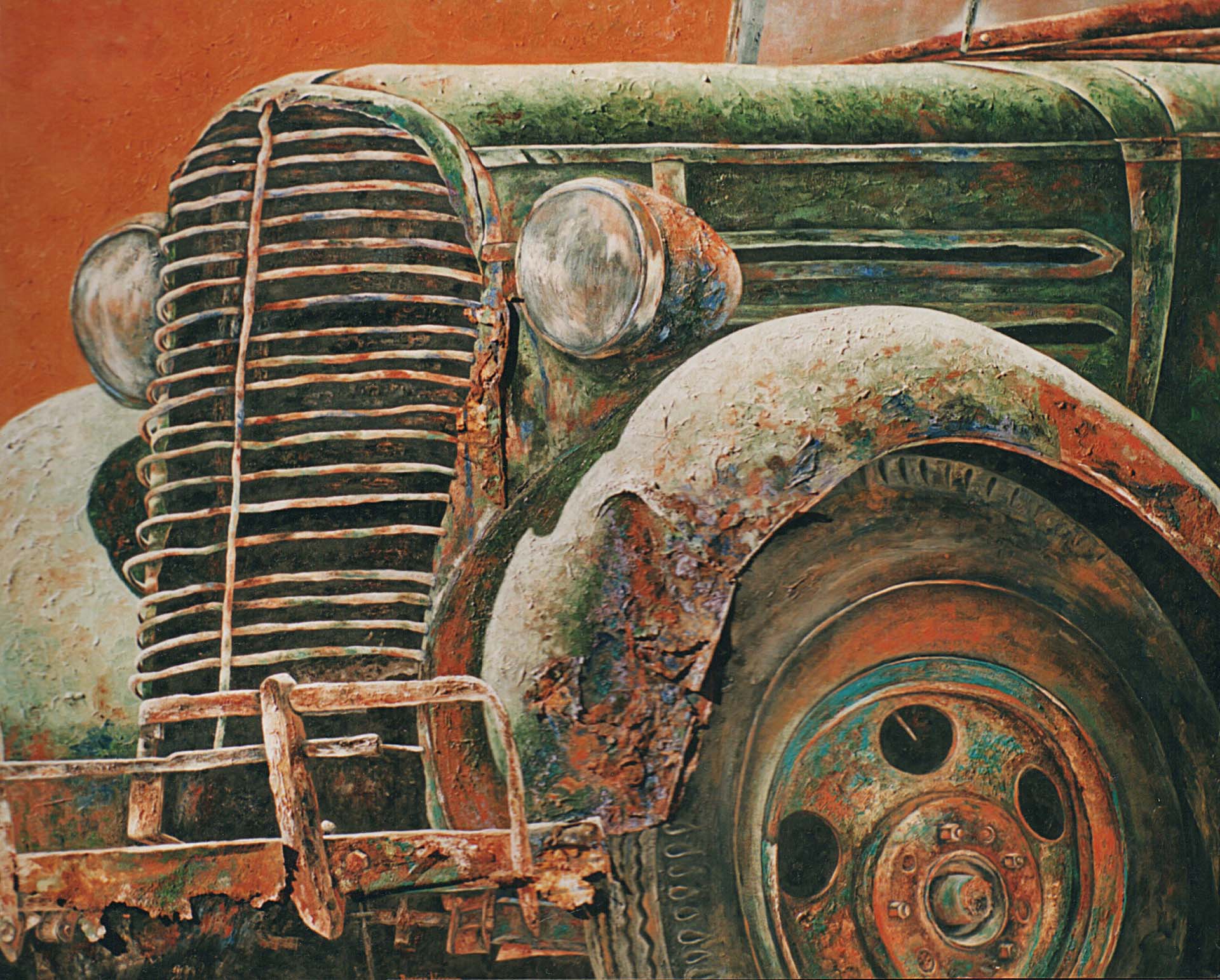
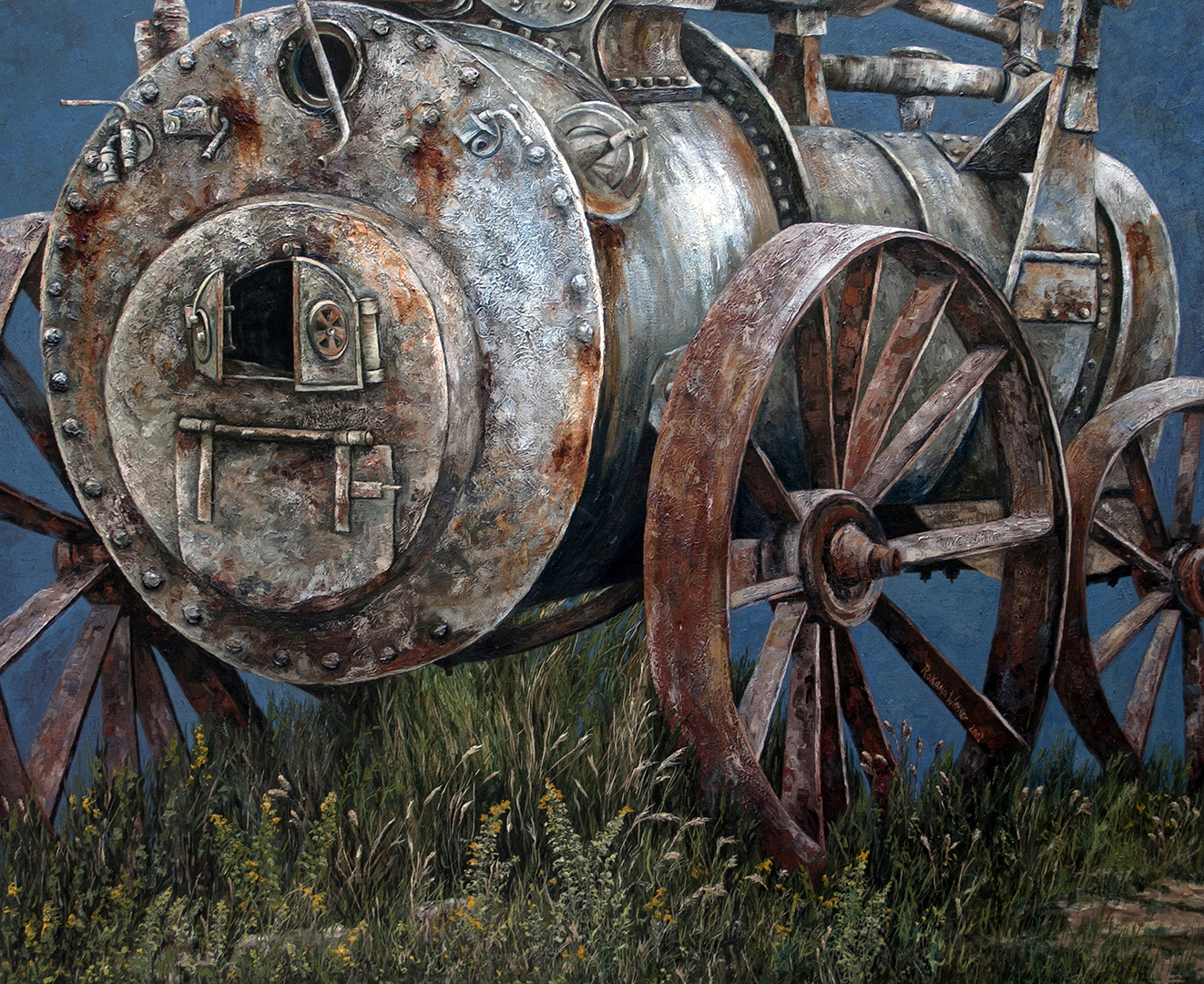
When observing the materiality of the imperfect, of the discarded, one discovers, for example, in some piece of rusted metal due to the passage of time, an infinity of colors such as oranges, violets, yellows, reds, greens, etc.
Just as a piece of aged bark, which originally had a wide range of shades typical of wood, with the passage of time is transformed leaving a footprint. This trace can be seen for example in the changes of color and surface due to many factors such as humidity, fungi, lichens, insects, etc.
In this change of the material an aesthetic value is perceived which does not correspond to the conventional idea of beauty.
The look has traveled from the ordinary to the extraordinary.